Overview
Goldfish (Carassius auratus) are long-lived freshwater fish available in streamlined single-tail and rounded fancy varieties. They produce substantial waste and need spacious, well-filtered aquariums. Housing and temperature choices depend on the variety.
Origin & Appearance
Origin: China.
Colors: Orange-Gold (also Red, White).
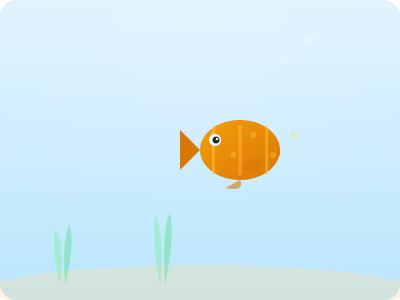
Body Shape: Deep Fusiform (oval/robust). Typical adult dimensions: 30.0 x 6.0 x 12.0.
Sexual Dimorphism: Subtle; males develop breeding tubercles in spring.
Tank & Water Requirements
| Min Tank Size | 40 gallons |
| Temperature | 65–72°F |
| pH Range | 7–8 |
| Water Hardness (GH) | 8-20 |
| Bioload | high |
| Oxygen Demand | medium |
| Plant Safe | caution |
| Aquarium Position | Mid to Bottom |
Behavior & Activity
Active mid-level swimmer; steady smooth cruising with gentle tail beats; forages through substrate; long endurance swimmer
Breeding
Egg scatterer. Adults may eat eggs and fry, so breeding needs a separate plan for raising young.
Common Diseases
Expert Notes
The 40-gallon planning baseline and temperature target refer to indoor fancy setups. Adult common and comet goldfish need substantially more room or a suitable pond; read the variety-specific guidance below.
Goldfish Care Guide
A goldfish setup starts with adult size, not the size of the fish in the shop. These long-lived fish need swimming room, a mature filter, and regular maintenance. Choose the variety before selecting the aquarium.
Common versus fancy goldfish
Common goldfish, comets, and shubunkins are streamlined, active swimmers that can reach around 12 inches or more. A large aquarium or suitable ornamental pond is a better long-term plan than a small starter tank. Fancy goldfish, including orandas and fantails, have rounded bodies and generally swim more slowly.
How much space do they need?
As a conservative planning recommendation for this guide, allow a 40-gallon aquarium for two modest-sized fancies and plan upgrades as they grow. For adult single-tail fish, plan substantially more space: a 75-gallon or larger aquarium, or an appropriate pond, is a starting point to assess. These are planning examples, not universal stocking limits; adult size, tank footprint, filtration, and water tests determine suitability.
A bowl is unsuitable. Choose a long aquarium, dependable biological filtration, good surface movement, and smooth decorations with clear swimming space. See our 40-gallon tank guide to compare dimensions.
Water Parameters & Maintenance
For many indoor fancy setups, 65–72°F (18–22°C) is a useful target. Single-tail fish tolerate cooler conditions; outdoor care depends on climate and pond design. Avoid sudden temperature changes. Stable pH around 7–8 is a practical target rather than a reason to repeatedly alter water chemistry.
- Cycle the aquarium before adding fish. Keep ammonia and nitrite at zero.
- Test water at least weekly, including nitrate; increase checks after stocking changes or if behaviour changes.
- Start with a weekly 25% water change and adjust to waste levels and test results. Dechlorinate and temperature-match the new water.
- Siphon accumulated debris and rinse filter media in removed tank water when clogged.
Feeding Goldfish
Use a complete goldfish food as the staple, offering small measured portions rather than feeding whenever fish beg. Remove uneaten food. Goldfish continue searching for food after eating, and excess feeding adds to the aquarium's waste load. Monitor body condition and make sure slower fish receive their share.
Goldfish Tank Mates
Other goldfish with similar swimming ability and size are usually the most straightforward companions. Keep fast single-tail varieties separate from delicate fancies so slower fish are not outcompeted. Small fish or invertebrates that fit in a goldfish's mouth may be eaten. Avoid adding tropical fish simply because both species are sold as beginner pets.
Health & Warning Signs
Check daily for appetite changes, unusual breathing, white spots, wounds, or loss of balance. Test the water promptly when symptoms appear. Buoyancy trouble can have several causes; persistent symptoms require assessment by an aquatic veterinarian rather than a guessed treatment.
Frequently Asked Questions
Do goldfish grow only to fit their tank?
No. Plan for their adult size; restricted growth is not a safe way to manage stocking.
Do goldfish need a heater?
Not always. Use a thermometer and choose equipment around the variety and room conditions, with stability as the priority.
Sources & Further Reading
Care information checked on October 7, 2026. Tank examples above are this guide's conservative planning recommendations; published minimums vary.